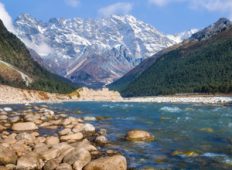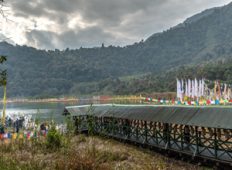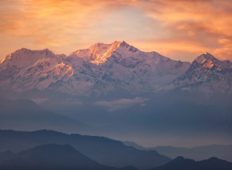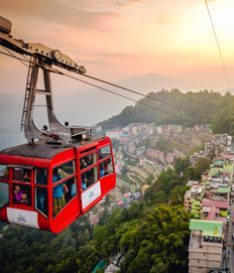


BEST TIME TO VISIT SIKKIM
A Season by Season and Month by Month Guide
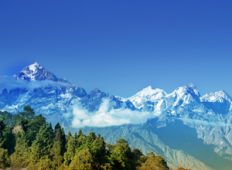
Best time to visit Sikkim: March to June and October to December for clear skies and mountain views, and November to February if you want snow.
TL;DR
Sikkim is a year-round destination, but the best time to visit is spring and early summer (March to June) and autumn (October to early December) for clear skies, green valleys and Kanchenjunga views. Come November to February for snow, and think twice about July to September, when monsoon landslides can block North Sikkim roads.
Choosing the best time to visit Sikkim really comes down to one question: do you want clear mountain views or snow. This tiny Himalayan state changes character with every season, from rhododendron slopes in spring to snow packed passes in winter. Below you will find a month by month weather table, clear season summaries, festival dates for 2026 and 2027, and quick answers for Nathula Pass, North Sikkim, cherry blossom season and budget travel, so you can pick the window that fits the trip you actually want.
Suggested Read: Places To Visit in Sikkim, Things To Do in Sikkim & How To Reach Sikkim
Best Time to Visit Sikkim, Month by Month
Gangtok, Sikkim’s capital, sits at around 1,650 m and stays mild for most of the year. The city rarely freezes, but high points like Nathula Pass and the North Sikkim valleys drop well below zero in winter. Rain peaks from June to August. Figures below are long term monthly averages for Gangtok (as of 2026); actual weather varies year to year and higher altitudes are colder.
| Month | Avg Low (°C) | Avg High (°C) | Rainfall (mm) | What to Expect |
|---|---|---|---|---|
| January | 6 | 13 | 27 | Cold, mostly dry, clear views, snow up high |
| February | 8 | 14 | 72 | Cool, occasional snow at altitude, good views |
| March | 10 | 17 | 126 | Spring begins, rhododendrons start, pleasant |
| April | 13 | 20 | 297 | Warm days, blooms peak, some pre-monsoon showers |
| May | 15 | 21 | 496 | Warm and greener, rising rain, busy season |
| June | 17 | 22 | 610 | Monsoon sets in, humid, showers most days |
| July | 18 | 22 | 626 | Wettest month, landslide risk, low visibility |
| August | 18 | 22 | 566 | Still very wet, lush, roads can be affected |
| September | 17 | 22 | 439 | Rain eases late in the month, air clears |
| October | 14 | 21 | 173 | Clear skies return, top views, cherry blossom |
| November | 11 | 18 | 38 | Crisp, dry, excellent visibility, cool nights |
| December | 8 | 14 | 20 | Cold, dry, clear, snow at higher elevations |
Sikkim Season by Season
Spring and Summer (March to June)
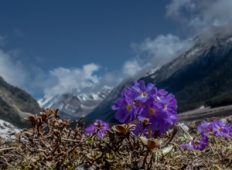
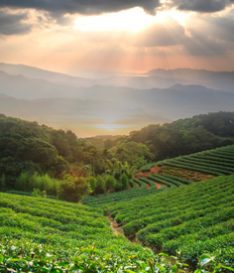
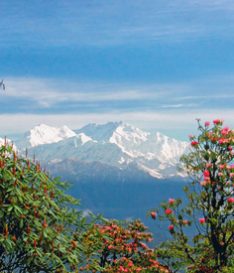
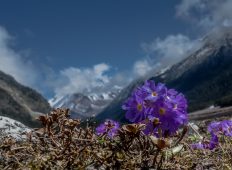
Spring and early summer, March to June, is the most popular time to visit Sikkim. Days are warm and pleasant (15 to 22°C in Gangtok), valleys turn green, and rhododendrons and orchids bloom across the hills.
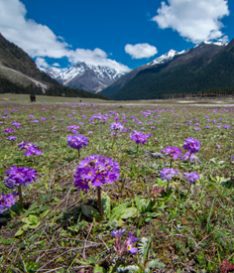
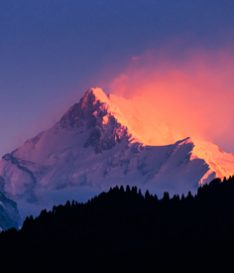
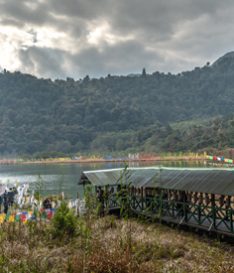
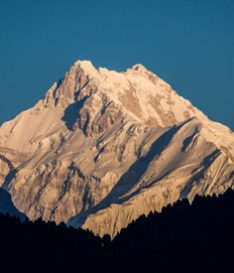
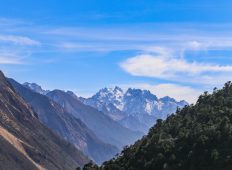
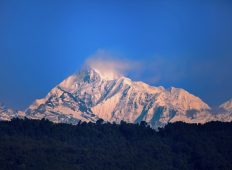
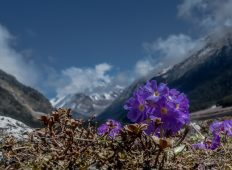
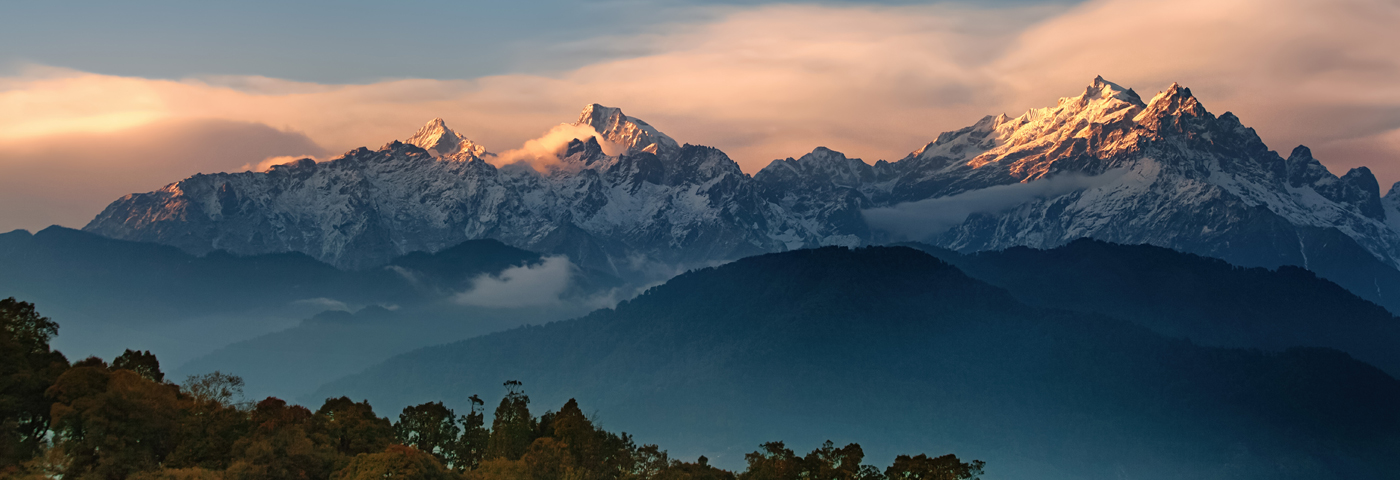
This is the classic window for a first Sikkim trip. Skies are usually clear in March, April and early May, so Kanchenjunga views from Pelling, Tashi Viewpoint and the North are at their best. Yumthang Valley’s flowers peak in late April and May, and the Teesta runs well for rafting. The flip side is company: May coincides with Indian school holidays, so Gangtok, Tsomgo Lake and North Sikkim permits fill up fast. Book early, and expect afternoon clouds to build as June approaches.
Complete Summer Weather Information by Month: March, April, May & June
Monsoon (July to September)
Monsoon, July to September, is the season most travellers avoid. Rain is heavy, humidity is high, and landslides regularly block the roads into North Sikkim and to Nathula Pass.
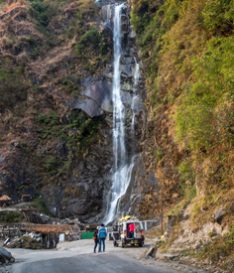
It is not all bad. The state is at its greenest, waterfalls are in full flow, hotels and tours are cheapest, and popular spots are quiet. If you go, keep plans flexible and lean towards lower, better connected areas like Gangtok, Pelling and Namchi rather than the high north. Watch out for leeches on forest trails, reduced mountain visibility, and the real possibility of a washed out road day. By late September the rain usually tapers off and the air begins to clear, which sets up a lovely early autumn.
Complete Mansoon Weather Information by Month: July & September
Autumn (October to November)
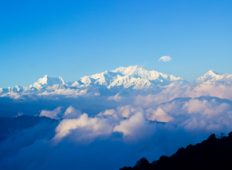
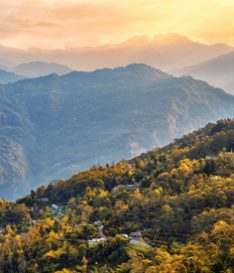
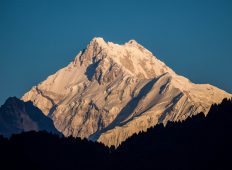
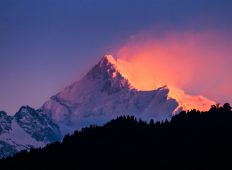
Autumn, October to November, is arguably the best time to visit Sikkim overall. The post monsoon air is washed clean, giving the sharpest Himalayan views of the year, with comfortable days and cool nights.
Visibility is superb, so this is prime time for Kanchenjunga, Nathula and North Sikkim high-altitude lakes. Himalayan cherry trees bloom through late October and November, adding pink to the ridgelines around Gangtok, Rumtek and Temi. Festivals cluster here too. October also carries the Durga Puja and Diwali holiday rush from the rest of India, so prices and crowds climb around those dates. November is quieter, drier and still stunning.
Complete Autumn Weather Information by Month: October & November
Winter (December to February)
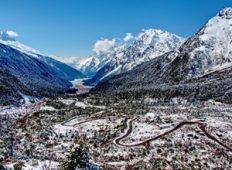
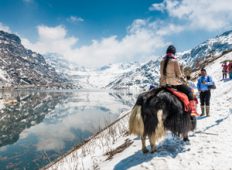
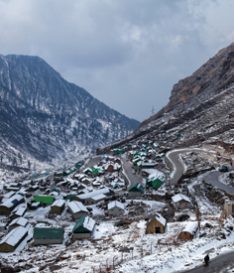
Winter, December to February, is the time to visit Sikkim for snow and empty roads. Gangtok stays cold but manageable, while Tsomgo Lake, Nathula and the North Sikkim valleys get proper snowfall.
Days are dry and often bright, with excellent long distance views. This is the season for snow lovers: January is the most reliable month for fresh snow at Tsomgo, Nathula, Lachung and Yumthang. The trade off is access. Heavy falls can shut high passes and North Sikkim roads at short notice, and nights are genuinely cold at altitude. Pack serious warm layers, keep a buffer day in the plan, and you get a beautiful, uncrowded Sikkim.
Complete Winter Weather Information by Month: December, January & February
Best Time to Visit Sikkim for Festivals
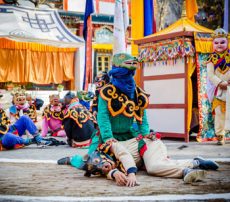
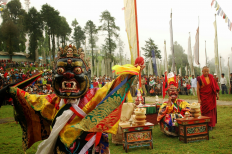
The best time to visit Sikkim for festivals is autumn and winter, when Buddhist monasteries hold masked Chaam dances for Pang Lhabsol, Lhabab Duchen and Losoong. Spring adds Bumchu and Saga Dawa. Most follow the Tibetan lunar calendar, so dates shift every year.
| Festival | Date(s) | What Happens |
|---|---|---|
| Maghe Sankranti | 14 January 2026 | Harvest festival with holy river dips, celebrated statewide |
| Losar (Tibetan New Year) | 18 February 2026; 7 February 2027 | Bhutia New Year, monastery rituals and family feasting |
| Bumchu | 3 March 2026; 22 March 2027 | Sacred water ceremony at Tashiding Monastery, west Sikkim |
| Saga Dawa | 31 May 2026; 18 June 2027 | Holiest Buddhist day, marking Buddha’s birth, enlightenment and passing |
| Tendong Lho Rum Faat | 8 August 2026 | Lepcha festival honouring Tendong Hill |
| Pang Lhabsol | Early September 2026 (confirm) | Masked warrior dances honouring Mount Kanchenjunga, the guardian deity |
| Lhabab Duchen | 1 November 2026 | Buddhist day marking Buddha’s descent from heaven |
| Losoong / Namsoong | 9 December 2026 | Sikkimese New Year and harvest, Chaam dances at Rumtek and Phodong |
Festival dates below are as of July 2026. Lunar-calendar festivals move by up to two weeks year to year, so confirm the exact date before you book flights.
When Is the Best Time to Visit Nathula Pass?
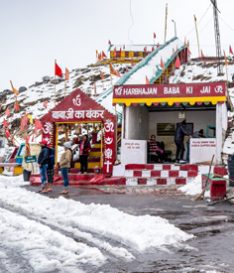
The best time to visit Nathula Pass is May to mid-June and mid-September to November, when the road is usually open and skies are clearer. Nathula sits at about 14,140 ft on the India China border and needs a Protected Area Permit. It stays closed on Mondays and Tuesdays for tourists, and heavy winter snow from December to March can shut it at short notice. Foreign nationals are generally not permitted at Nathula.
When Is the Best Time to Visit North Sikkim?
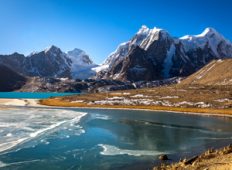
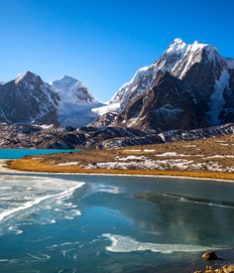
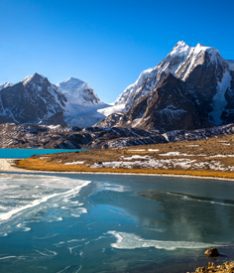
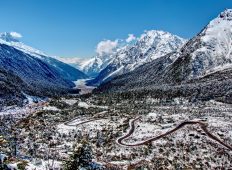
The best time to visit North Sikkim (Lachung, Lachen, Yumthang Valley and Gurudongmar Lake) is April to June for rhododendron blooms and October to November for clear, high-altitude views. Yumthang’s Valley of Flowers peaks in late April and May. Avoid July to September, when landslides frequently close the only roads in, and expect deep cold with possible closures from December to March. North Sikkim needs a permit arranged through a registered operator.
When Is the Cheapest Time to Visit Sikkim?
The cheapest time to visit Sikkim is the monsoon months, July to September, when hotel rates and tour prices drop and crowds thin out. You trade the discount for rain, leeches on trails and a genuine chance of road blocks in the north. Late January to February is a second, quieter budget window if you are happy with cold weather and some closed high roads.
When Is the Best Time to Visit Sikkim for Snowfall?
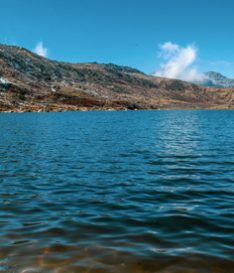
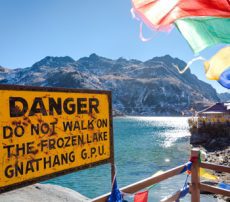
The best time to visit Sikkim for snow is late December to February. Tsomgo Lake, Nathula and North Sikkim valleys like Lachung and Yumthang receive fresh snowfall, and Gangtok itself sees the occasional flurry. January is the most reliable month for snow at the higher points. Roads can close after heavy falls, so keep your itinerary flexible and build in a spare day.
When Is the Best Time for Adventure Activities in Sikkim?
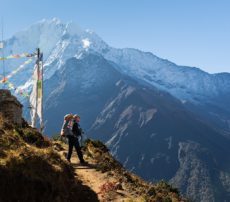
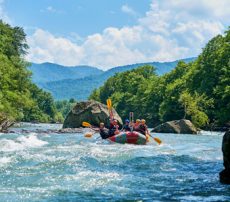
The best time for adventure in Sikkim depends on the activity. Trekking routes like Goecha La, Dzongri and Green Lake are best from mid-March to May and October to early December. River rafting on the Teesta and Rangit runs well from March to June and again in October to November. Paragliding around Gangtok is smooth in spring and autumn, when winds are stable. Skip the monsoon for anything on trails or rivers.
When Is Peak Season in Sikkim?
Peak season in Sikkim is March to mid-June and October to mid-December. These months bring the clearest mountain views, blooming or crisp landscapes, and the biggest crowds and highest prices. Book permits and hotels for North Sikkim and Nathula well ahead during these windows, especially around the May school holidays and the October Durga Puja and Diwali break.
When Is the Best Time to See Cherry Blossom in Sikkim?
The best time to see cherry blossom in Sikkim is late October to November, when Himalayan cherry trees flower across Gangtok, Rumtek and the road to Temi Tea Garden. It overlaps with clear autumn skies, so you get pink blooms set against Kanchenjunga. A smaller, shorter bloom can appear in early spring, but autumn is the reliable window.
Peak vs Shoulder vs Off Season in Sikkim
Choose peak season (March to mid-June and October to mid-December) for the best weather and views, shoulder season (late June and late December to February) for snow and fewer people, and off season (July to September monsoon) for the lowest prices.
| Season | Months | Weather | Crowds & Price | Best For | Watch Out For |
|---|---|---|---|---|---|
| Peak | Mar to mid-Jun, Oct to mid-Dec | Clear, mild or crisp | High crowds, top prices | Views, blooms, festivals, first trip | Book permits and hotels early |
| Shoulder | Late Jun, late Dec to Feb | Variable; cold in winter | Moderate crowds, lower prices | Snow (winter), quieter roads | Cold nights, some high roads closed |
| Off (Monsoon) | Jul to Sep | Wet, humid, lush | Lowest crowds and prices | Budget travel, greenery, solitude | Landslides, road blocks, leeches, limited North Sikkim |
People choose peak season for guaranteed views and festival dates and accept the crowds. They choose shoulder winter for snow and elbow room, and off season purely to save money or to have the place almost to themselves. The main reason to avoid the monsoon is not the rain itself but the roads: a single landslide can cancel a North Sikkim leg entirely.
How to Reach Sikkim
The nearest airport is Pakyong (PYG), about 30 km from Gangtok, though flights are limited, so most travellers fly into Bagdogra (IXB) near Siliguri, roughly 124 km and 4 to 5 hours away by road. The nearest major railhead is New Jalpaiguri (NJP). From either point, shared jeeps and taxis run to Gangtok along NH10. For a full breakdown, see our guide on how to reach Sikkim.
Where to Stay in Sikkim
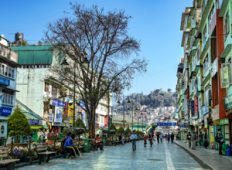
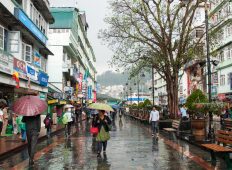
Most first time visitors base themselves in Gangtok, around the MG Marg area, for its hotels, food and connectivity, then add nights elsewhere: Pelling in the west for Kanchenjunga views, Lachung or Lachen in the north for Yumthang and Gurudongmar, and Namchi in the south. Homestays are common and genuinely worthwhile in villages like Yuksom, Zuluk and Dzongu.
Do You Need a Permit to Visit Sikkim?
Indian nationals do not need a permit to enter Sikkim, but you do need an Inner Line Permit or a Protected Area Permit for restricted areas: Nathula, Tsomgo Lake, all of North Sikkim (Lachung, Lachen, Gurudongmar, Yumthang) and Zuluk. Foreign nationals need a permit just to enter Sikkim, arranged online or at entry points, and are generally not allowed at Nathula or Gurudongmar. Registered tour operators usually handle these for you. Carry valid ID and a few passport photos. (Permit rules as of 2026; confirm current requirements before travel.)
Insider Timing Tips Most Sikkim Guides Miss
A few practical timing points that make a real difference on the ground, drawn from how Sikkim actually works rather than the calendar alone:
- The clear-morning rule: even in peak season, Himalayan views are usually sharpest between about 6 and 9 am, before cloud builds over the afternoon. Schedule Nathula, Tsomgo Lake and viewpoint days for early starts, not lunchtime.
- The washed-clean window: the last week of September into the first week of October often brings the crispest air of the year, just after the monsoon clears and before the mid-October holiday crowds. The catch is confirming that North Sikkim roads have reopened, which can lag the end of the rain by a week or two.
- Permit timing is date specific: North Sikkim and Nathula permits are issued for fixed dates and can be paused during heavy snow or landslides. Keeping one buffer day in the itinerary is the single best insurance against a wasted permit.
- Festivals move: because Sikkim’s major festivals follow the Tibetan lunar calendar, a date that worked last year can shift by up to two weeks. Always check the current-year date before locking flights around a festival.
- Weekly closures matter: Nathula Pass is shut to tourists on Mondays and Tuesdays, and MG Marg in Gangtok is a no-vehicle promenade, so line up your high-altitude permit days with the days the pass is actually open.
Planning a Sikkim trip around these timing layers, your views, your permits and the season you actually want, is in our view the most rewarding way to see the state. At eSikkim Tourism, our travel experts can build a customised Sikkim itinerary around exactly this kind of thinking: your travel dates, your interests, and the right balance of mountains, monasteries and downtime. If you would like a personalised plan, get in touch and we will put one together for you.
Why Plan Your Sikkim Trip with eSikkim Tourism
Timing a Sikkim trip well means juggling seasons, permits and weekly closures at the same time, and that is exactly where a local team helps. eSikkim Tourism arranges the Inner Line and Protected Area Permits for Nathula, Tsomgo Lake and North Sikkim, builds itineraries around the season you are travelling in, and keeps a buffer for the days snow or landslides force a change of plan. If you tell us your dates and what you most want to see, our travel experts can shape a customised Sikkim itinerary to match. Get in touch to plan your Sikkim trip.
Get Instant Call Back
Why Choose us?
What makes us diffrent from other tour package companies