


Places to Visit in Gangtok (2026)
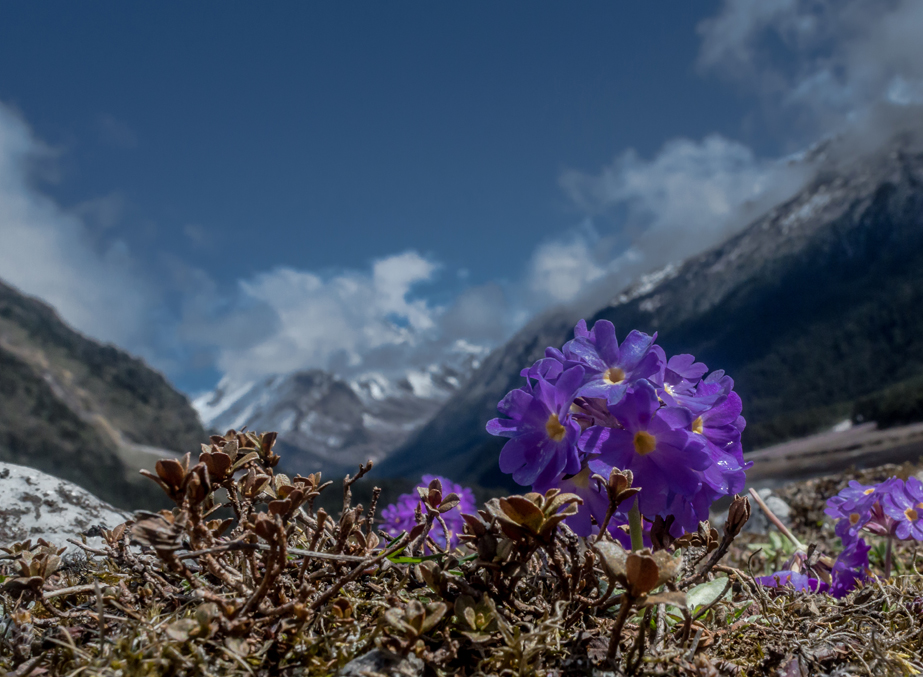
Top Attractions, Timings and Distances
The top places to visit in Gangtok include MG Marg, Enchey Monastery, Tashi View Point, Ganesh Tok, the Gangtok Ropeway, Do Drul Chorten, Rumtek Monastery and the Namgyal Institute of Tibetology inside the city, plus three popular day trips just outside it: Tsomgo Lake, Baba Mandir and Nathula Pass. Gangtok is the capital of Sikkim, sitting at about 1,650 metres in the Eastern Himalayas, and most of its sights fall into three easy buckets: monasteries and spiritual spots, viewpoints and nature, and markets and street life. This guide covers each place with its timings, entry fee, distance from the city and honest tips, so you can plan a two, three or four day trip without guesswork.
TL;DR: Gangtok in 60 Seconds
Gangtok rewards a slow two to four days. Spend one day on the walkable city loop (MG Marg, Enchey Monastery, the Ropeway, Do Drul Chorten and the Namgyal Institute), one day on the Tsomgo Lake, Baba Mandir and Nathula Pass circuit (permit needed, and Nathula stays shut on Mondays and Tuesdays), and a spare day for Rumtek Monastery or a run north towards Mangan. October to December gives the clearest Kanchenjunga views; March to May brings the flowers.
Suggested Read: Things to do in Gangtok, Best Time to Visit Gangtok & How to Reach Gangtok.
You might also like: Places To Visit in Bhutan & Things To Do in Bhutan
Quick Jump: All the Places to Visit in Gangtok
Use this table to plan by distance. “In city” means it sits within roughly 10 km of MG Marg and needs no special permit. “Day trip” means it is further out, and the Tsomgo and Nathula side needs a Protected Area Permit.
| Place | Category | Distance from Gangtok | In city or day trip |
|---|---|---|---|
| MG Marg | Market and local life | City centre | In city |
| Enchey Monastery | Monastery and spiritual | approx 3 km | In city |
| Namgyal Institute of Tibetology | Monastery and spiritual | approx 3 km | In city |
| Do Drul Chorten | Monastery and spiritual | approx 3 km | In city |
| Ganesh Tok | Spiritual and viewpoint | approx 7 km | In city |
| Hanuman Tok | Spiritual and viewpoint | approx 9 km | In city |
| Tashi View Point | Viewpoint and nature | approx 8 km | In city |
| Gangtok Ropeway | Viewpoint and nature | approx 2 km (Deorali) | In city |
| Himalayan Zoological Park | Viewpoint and nature | approx 3 km | In city |
| Ban Jhakri Falls | Viewpoint and nature | approx 7 km | In city |
| Flower Exhibition Centre | Viewpoint and nature | approx 2 km (Ridge) | In city |
| Lal Bazaar | Market and local life | City centre | In city |
| Rumtek Monastery | Monastery and spiritual | approx 24 km | Day trip |
| Fambong La Wildlife Sanctuary | Viewpoint and nature | approx 25 km | Day trip |
| Phodong Monastery | Monastery and spiritual | approx 38 km | Day trip |
| Tsomgo (Changu) Lake | Viewpoint and nature | approx 40 km | Day trip (permit) |
| Baba Mandir | Spiritual and viewpoint | approx 52 km | Day trip (permit) |
| Nathula Pass | Viewpoint and nature | approx 56 km | Day trip (permit) |
| Mangan | Day trip and gateway | approx 65 km | Day trip |
All timings, fees and distances below are as of 2026 and can change with season, weather and government orders. Confirm anything time-bound before you set off.
Monasteries and Spiritual Sites in Gangtok
Gangtok is a Buddhist town at heart, and its monasteries are working religious spaces, not museums. Dress modestly, take your shoes off where asked, and keep quiet during prayers.
Enchey Monastery
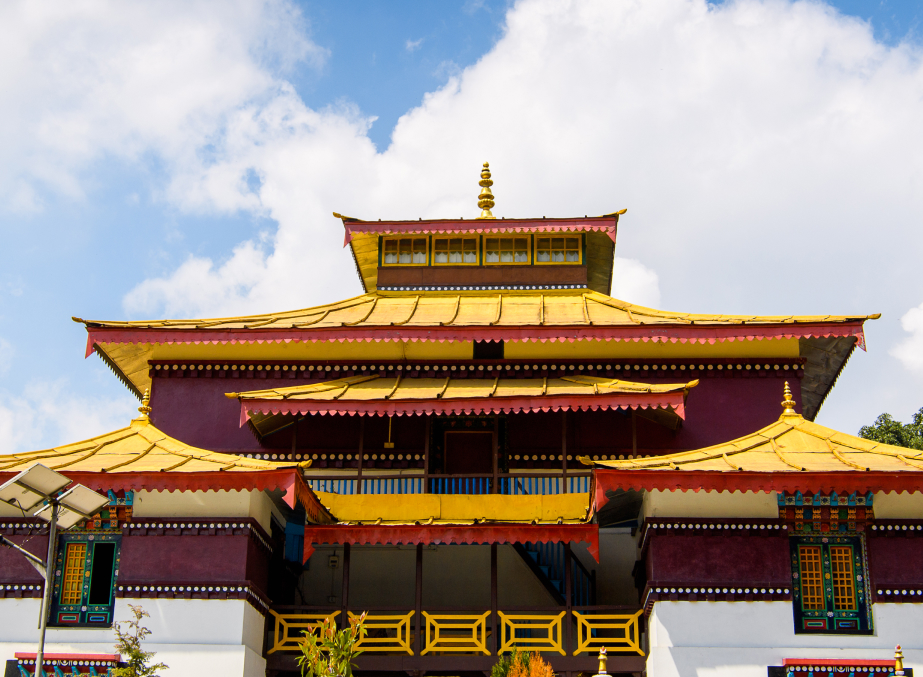
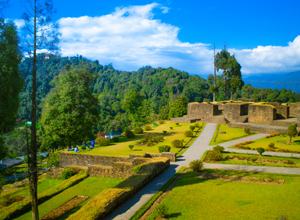
Enchey Monastery is a 200-year-old Nyingma-order monastery about 3 km from MG Marg, and it is one of the calmest spiritual stops inside Gangtok. The name means “solitary temple,” and the site is tied to the flying powers of Lama Druptob Karpo. The present building dates to around 1909. Come in the morning when monks are chanting, and if you can time it for December or January you may catch the annual Cham (masked) dance.
Quick facts: Timings roughly 9:00 am to 5:00 pm daily. Entry free. Distance approx 3 km from the city. Best time October to May.
Tips: It sits on the way towards the TV tower and Ganesh Tok, so club the three together. Photography is fine outside; ask before shooting inside the prayer hall.
Facts: Enchey follows the Nyingma order of Tibetan Buddhism and houses around 90 monks. It was rebuilt in 1948 after damage.
Main highlights: The masked Cham dance in winter and the quiet, forested setting away from the market crowds.
Sikkim Best Sellers
-

03 Nights / 04Days
Gangtok Tour
Rs. 7500 Rs. 6200
-
07 Nights / 08Days
Gangtok Pelling Darjeeling Tour
Rs. 14500 Rs. 17500
-
04 Nights / 05Days
Gangtok Darjeeling Tour Package
Rs. 9200 Rs. 1100
-
08 Nights / 09Days
Gangtok Lachung Pelling Tour
Rs. 15000 Rs. 18000
-
04 Nights / 05Days
Gangtok Lachung Tour
Rs. 8800 Rs. 10500
-
08 Nights / 09Days
Gangtok Lachung Pelling Darjeeling Tour
Rs. 17000 Rs. 20500
-
07 Nights / 08Days
Gangtok Pelling Darjeeling Tour
Rs. 14500 Rs. 17500
-
04 Nights / 05Days
Gangtok Darjeeling Tour Package
Rs. 9200 Rs. 11000
-
05 Nights / 06Days
Delightful Gangtok And Darjeeling
Rs. 10500 Rs. 12500
You can also check our tailor made Bhutan Tour Packages.
Rumtek Monastery
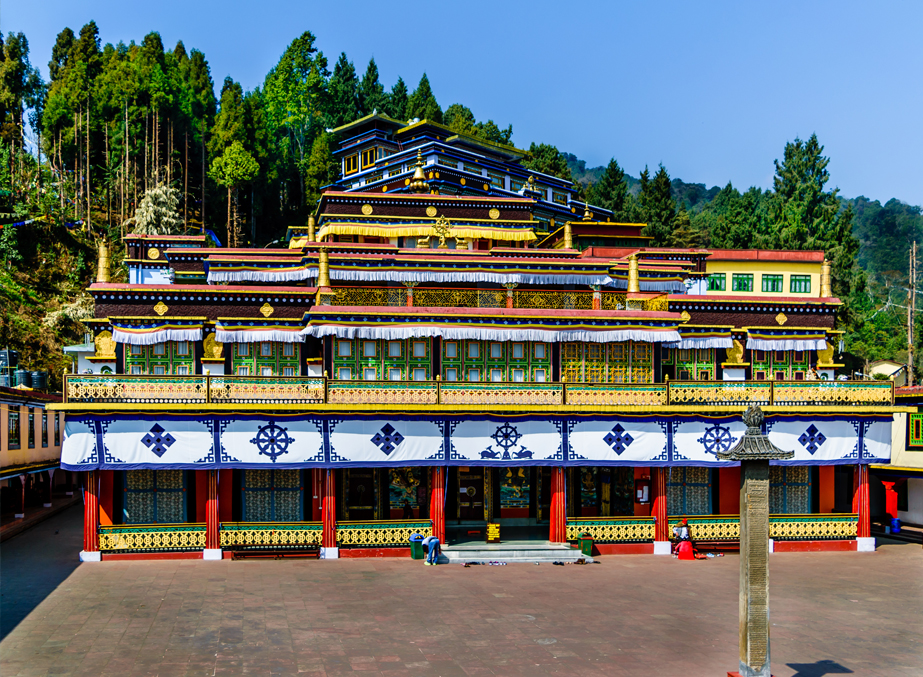
Rumtek Monastery is the largest monastery in Sikkim and the seat of the Karma Kagyu lineage, sitting about 24 km from Gangtok on a hill facing the city. Built in its current form in the 1960s by the 16th Karmapa, it is modelled on the original Kagyu headquarters at Tsurphu in Tibet. The golden stupa, the wall murals and the three-storey main shrine are the reasons people make the drive.
Quick facts: Timings roughly 9:00 am to 6:00 pm. Entry approx Rs 10 per person (carry a photo ID, it is checked at the gate). Distance approx 24 km, about 1 to 1.5 hours by road. Best time March to May and October to December.
Tips: Reach early for the morning prayers. The final approach from the taxi drop is a steep walk. Cameras are usually not allowed inside the main shrine.
Facts: Rumtek is a world centre for Kagyu teachings and holds rare relics, including golden Buddha models and thangkas brought from Tibet.
Main highlights: The golden stupa, the intricate murals and the valley view on the drive up.
Do Drul Chorten
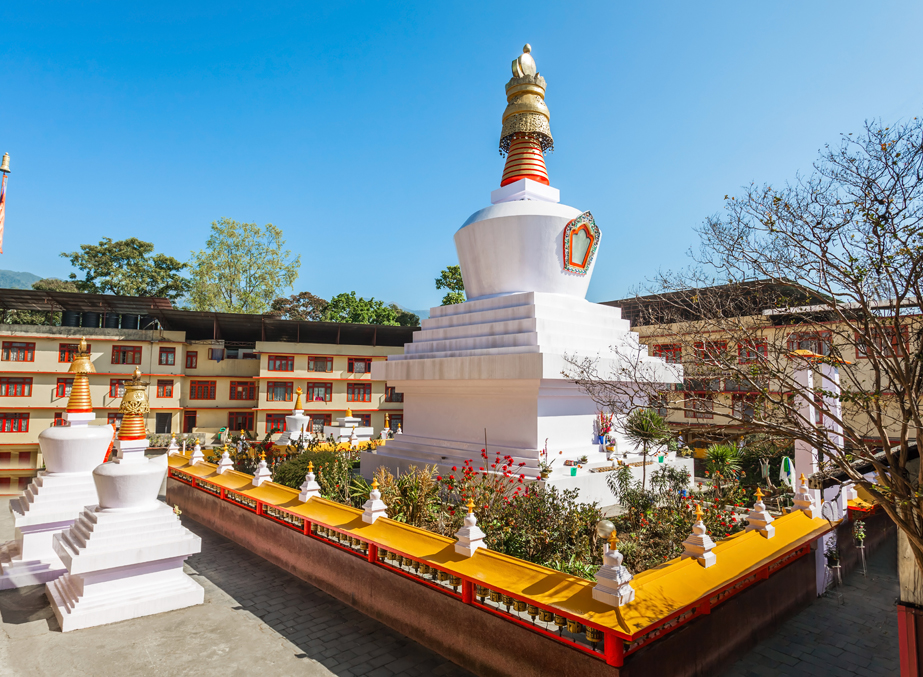
Do Drul Chorten is a white Buddhist stupa in the Deorali area, about 3 km from the city, ringed by 108 prayer wheels. It was built in 1945 by Trulshik Rinpoche of the Nyingma order and is one of the most important stupas in Sikkim. Walking a full clockwise circuit while spinning the wheels is the thing to do here.
Quick facts: Timings roughly 8:00 am to 6:00 pm. Entry free. Distance approx 3 km. Best time year round, mornings are quietest.
Tips: It sits next to the Namgyal Institute of Tibetology, so see both on one stop. Walk clockwise, keeping the stupa on your right.
Facts: The stupa holds a full set of holy relics and mantras, and its gilded top is crowned by the figure of Dorjee Phurpa (Vajra Kilaya).
Main highlights: The ring of 108 prayer wheels and the golden spire against the hills.
Suggested Read: Buddhist Circuit in Sikkim
Namgyal Institute of Tibetology
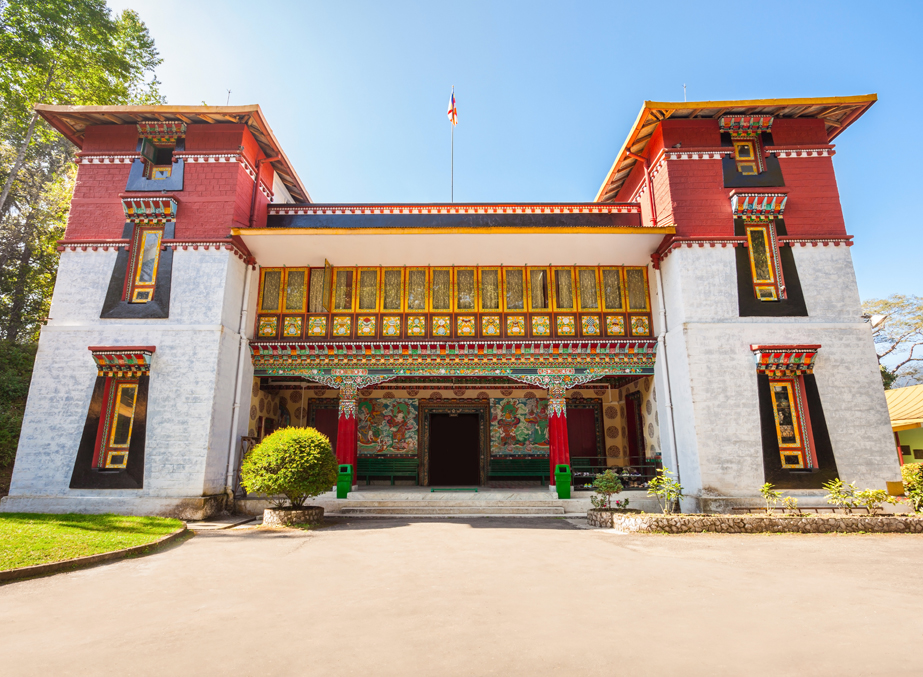
The Namgyal Institute of Tibetology is one of the world’s largest collections of Tibetan Buddhist artefacts outside Tibet, a short walk from Do Drul Chorten in Deorali, about 3 km from Gangtok. Its museum holds statues, thangkas, coins, and rare manuscripts in Sanskrit, Tibetan, Chinese and Lepcha, and its library runs to more than 60,000 volumes.
Quick facts: Timings 10:00 am to 4:00 pm. Closed on Sundays, the second Saturday of each month, and public holidays. Entry approx Rs 10. Distance approx 3 km. Best time year round.
Tips: Pair it with the Ropeway (the lower Deorali station is close) and Do Drul Chorten for a neat half-day. Give the museum at least 45 minutes.
Facts: The institute is a serious research body on Mahayana Buddhism and Sikkimese culture, set in a traditional Sikkimese building among oak and birch.
Main highlights: The masks, ritual objects and centuries-old manuscripts in the museum.
Ganesh Tok
Ganesh Tok is a small hilltop Ganesh temple about 7 km from Gangtok, best known not for its size but for the view: on a clear day you look straight across at the Kanchenjunga range and down over the city. It is often paired with nearby Hanuman Tok and Tashi View Point.
Quick facts: Timings roughly 6:00 am to 8:00 pm. Entry free (donation box inside). Distance approx 7 km, near the TV tower. Best time October to December for clear peaks.
Tips: You climb a short flight of steps and remove footwear part way up. The adjoining Pinetum garden is a nice stroll.
Facts: It sits at around 6,500 feet and is one of the highest points overlooking Gangtok.
Main highlights: The wide Kanchenjunga and city view from the observatory tower.
Hanuman Tok
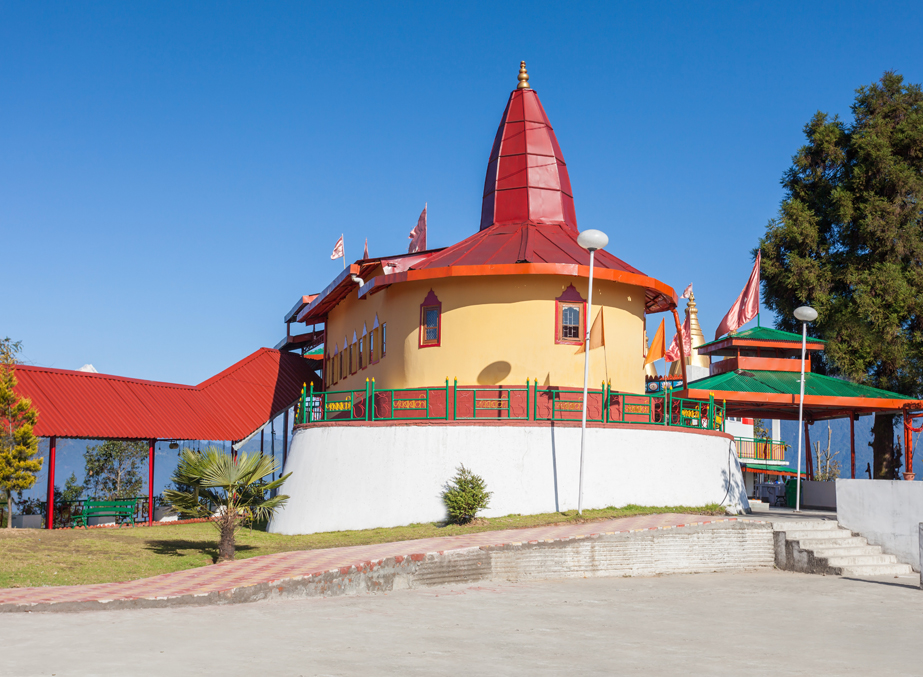
Hanuman Tok is an army-maintained Hanuman temple about 9 km from Gangtok, higher up than Ganesh Tok and usually cleaner, quieter and better kept. The Indian Army looks after the complex, and the views over the valley on a clear morning are among the best around the city.
Quick facts: Timings roughly 6:00 am to 6:00 pm. Entry free. Distance approx 9 km. Best time October to December.
Tips: Mornings are clearest before cloud rolls in. There is a small prasad counter run by the army.
Facts: Local belief places this on the spot where Hanuman rested while carrying the Sanjeevani mountain in the Ramayana.
Main highlights: The tidy grounds, the peak views and the calm, uncrowded feel.
Phodong Monastery
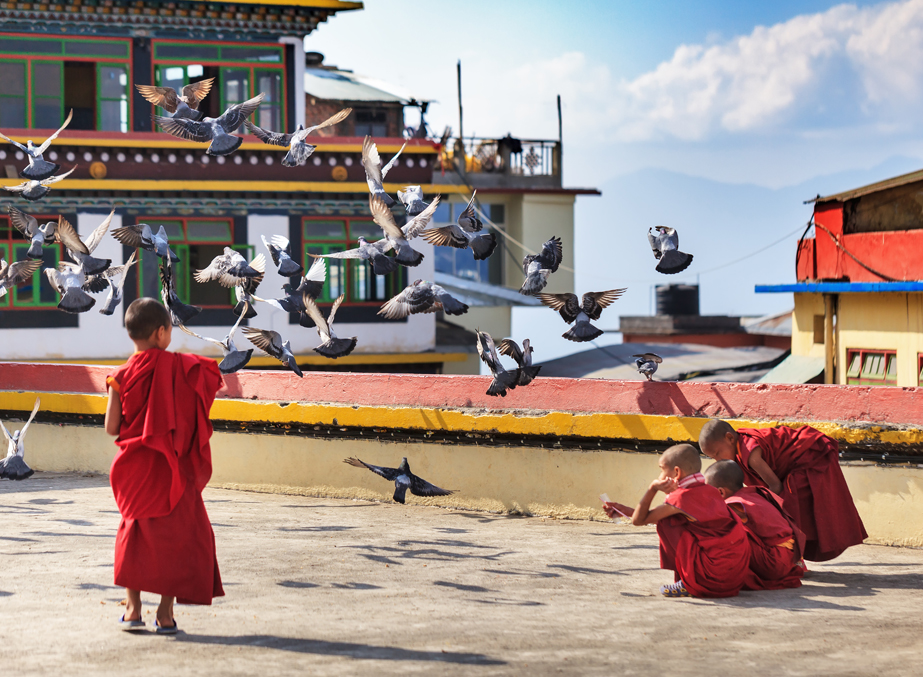
Phodong Monastery is an 18th-century Kagyu monastery about 38 km north of Gangtok, on the road towards Mangan, and it works well as a stop if you are heading to North Sikkim. Rebuilt over an older 1740 foundation, it is known for its murals and its annual Cham dance held in the tenth month of the Tibetan calendar (around December).
Quick facts: Timings roughly 8:00 am to 5:00 pm. Entry free. Distance approx 38 km, about 1.5 hours. Best time March to May and October to December.
Tips: Combine it with Kabi Lungchok and the drive to Mangan rather than as a standalone trip.
Facts: Phodong is counted among the six most important monasteries in Sikkim and houses a large community of monks.
Main highlights: The old wall paintings and the annual masked dance.
Viewpoints and Nature in Gangtok
This is where Gangtok earns its reputation. Views of Kanchenjunga, a cable car over the town, waterfalls and a red panda or two.
Kanchenjunga Views from Gangtok
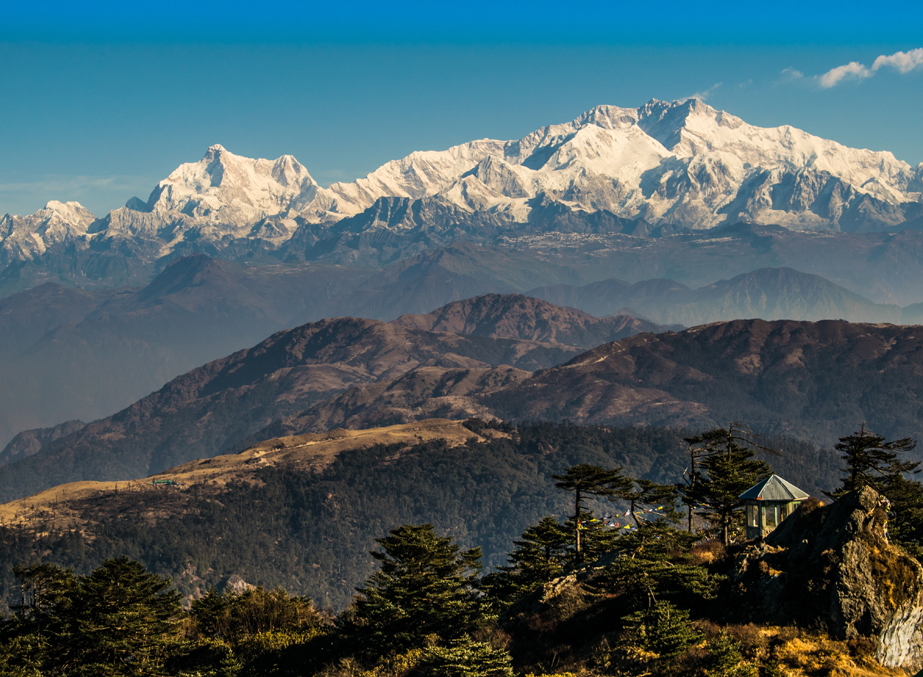
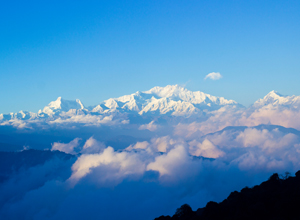
Kanchenjunga is the world’s third highest mountain at 8,586 metres, and Gangtok is one of the easiest cities from which to see it without trekking. The peak is visible from several points around town, with Tashi View Point, Ganesh Tok and Hanuman Tok giving the cleanest lines. The name means “Five Treasures of Snow,” after its five summits. If you wish to enjoy a closer view of this mighty mountain, participate in treks to the base camp of Mount Kanchenjunga or visit the Kanchenjunga National Park. You can also set a base camp in the foothills of Kanchenjunga and spend a night or two here.
Quick facts: No ticket, it is a mountain. Best viewing October to December and March to April, early morning before cloud builds. The mountain straddles the Sikkim and Nepal border.
Tips: Skies are clearest just after sunrise. Post-monsoon (late October) usually gives the sharpest, dust-free views.
Main highlights: Sunrise colour shifting across the snow from Tashi View Point.
Tashi View Point
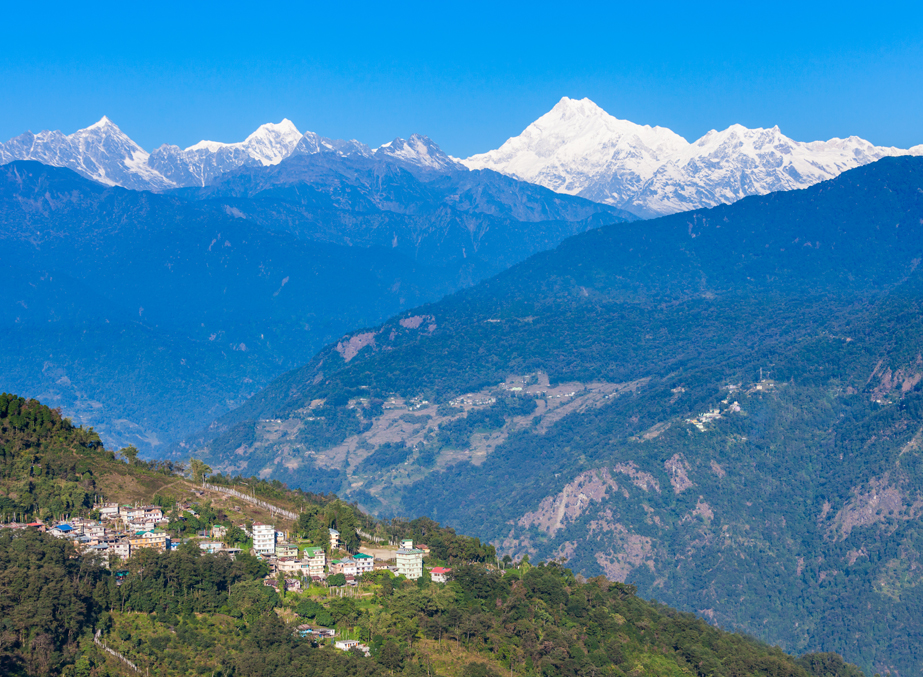
Tashi View Point is the classic sunrise spot in Gangtok, about 8 km from the city on the North Sikkim highway, laid out specifically for looking at Kanchenjunga and Mount Siniolchu. There is a cafeteria and a paid telescope, and the light on the peaks at dawn is the main draw.
Quick facts: Open dawn to dusk. Entry free (telescope approx Rs 10). Distance approx 8 km. Best time October to December, at sunrise.
Tips: Go at first light for the peaks, then have tea at the cafeteria as the town wakes up. Pair with Ganesh Tok and Hanuman Tok on the same loop.
Facts: On a clear morning you can watch the colour change across Mount Kanchenjunga as the sun comes up.
Main highlights: Sunrise over the snow line and a straight view of Siniolchu.
Gangtok Ropeway (Cable Car)
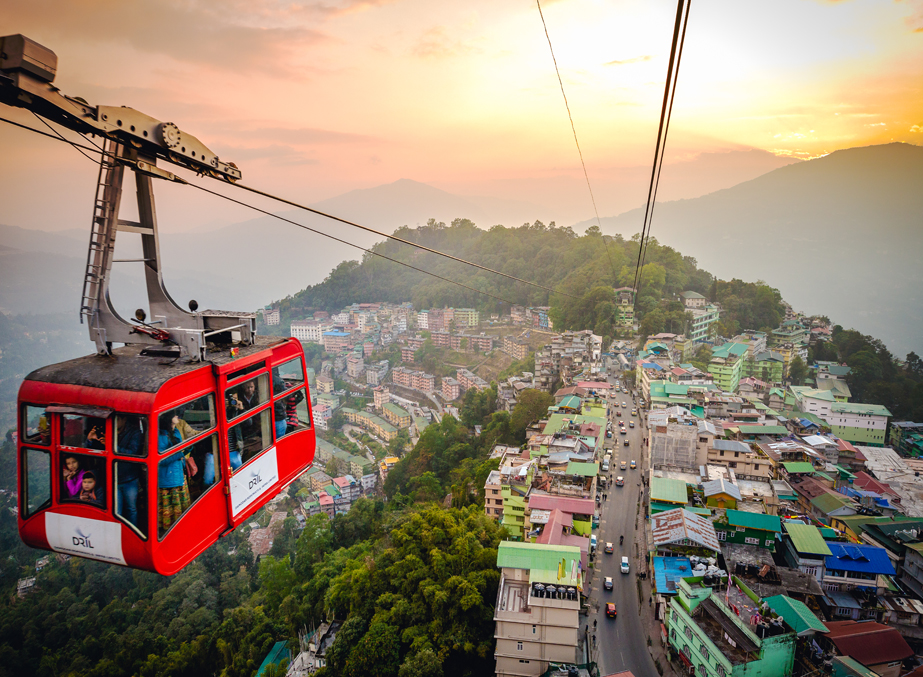
The Gangtok Ropeway is a cable car that runs about 1 km over the town between three stations at Deorali, Namnang and Tashiling, giving you a bird’s-eye view of the ridge, the Teesta valley and, on a clear day, Kanchenjunga. The round trip takes roughly 20 minutes and each car holds around 24 people.
Quick facts: Timings roughly 9:30 am to 6:00 pm daily. Ticket approx Rs 117 per adult and Rs 77 per child as of 2026 (confirm at the counter). Distance approx 2 km (lower station at Deorali). Best time clear mornings.
Tips: The lower Deorali station is close to the Namgyal Institute and Do Drul Chorten, so do all three together. Sit on the valley side for the best photos.
Facts: The ropeway climbs from Deorali up to Tashiling, near the Secretariat.
Main highlights: The aerial view over the layered rooftops and the Teesta valley.
Himalayan Zoological Park
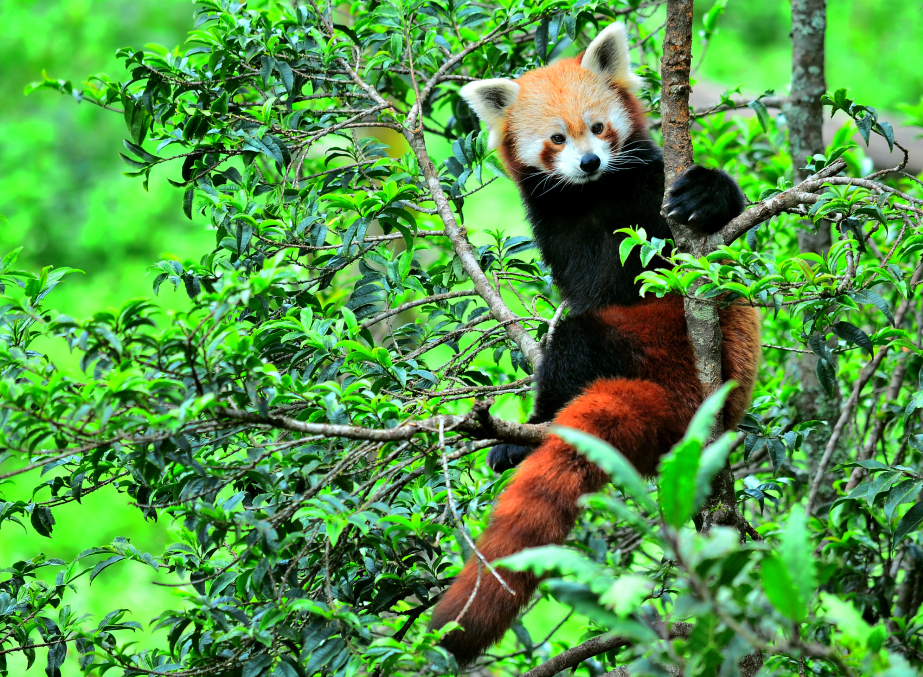
The Himalayan Zoological Park at Bulbuley, about 3 km from Gangtok, is a hillside zoo where animals live in large open enclosures rather than cages, and it is one of the better places in India to see a red panda or a snow leopard. The 2.5 km loop road runs through forest facing Kanchenjunga.
Quick facts: Timings 9:00 am to 4:00 pm. Closed on Thursdays. Entry approx Rs 25 for Indian adults and Rs 10 for children, Rs 50 for foreign nationals, plus a small vehicle charge, as of 2026. Distance approx 3 km. Best time mid-February to May and mid-September to December.
Tips: Take a vehicle inside, the loop is long and steep to walk. Early morning is best for spotting animals.
Facts: The park sits at around 1,780 metres and houses red pandas, snow leopards, Himalayan black bears, goral and Himalayan pheasants.
Main highlights: The red panda enclosure and the open, forested layout.
Ban Jhakri Falls
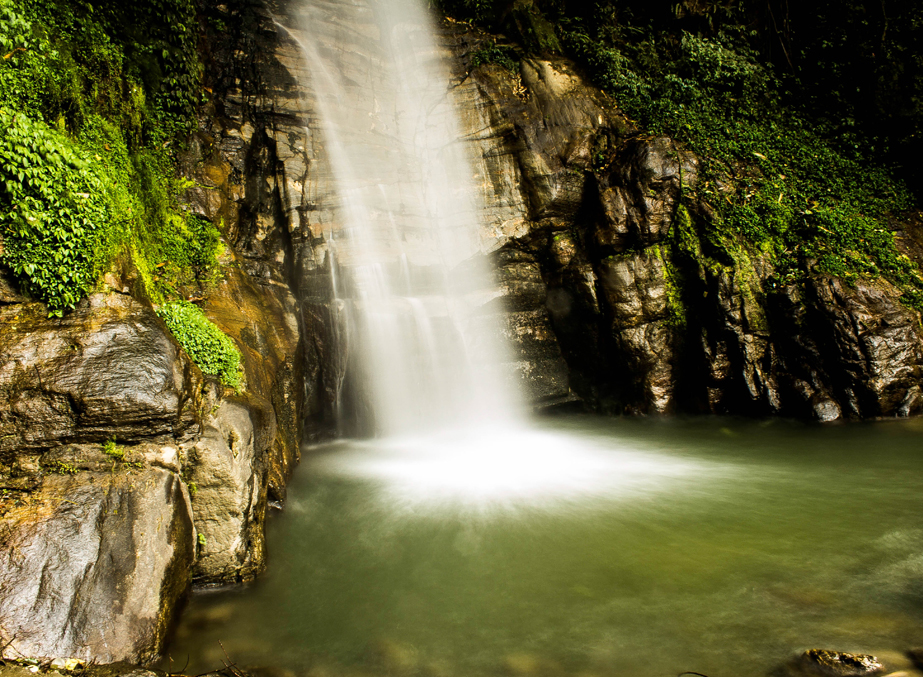
Ban Jhakri Falls is a 100-foot waterfall set inside a landscaped energy park about 7 km from Gangtok, themed around Sikkim’s shamanic Jhakri folklore. It is more a family picnic and photo park than a wilderness spot, with sculptures, a pond and gardens around the falls.
Quick facts: Timings roughly 9:00 am to 6:00 pm. Entry a small ticketed fee, confirm the current amount at the gate. Distance approx 7 km. Best time February to April.
Tips: Good for families with children. There is a cafe and a small souvenir shop by the ticket counter.
Facts: The falls are named after the “Ban Jhakri,” a forest shaman figure in local belief said to ward off evil spirits.
Main highlights: The themed gardens, the shaman sculptures and the falls themselves.
Flower Exhibition Centre
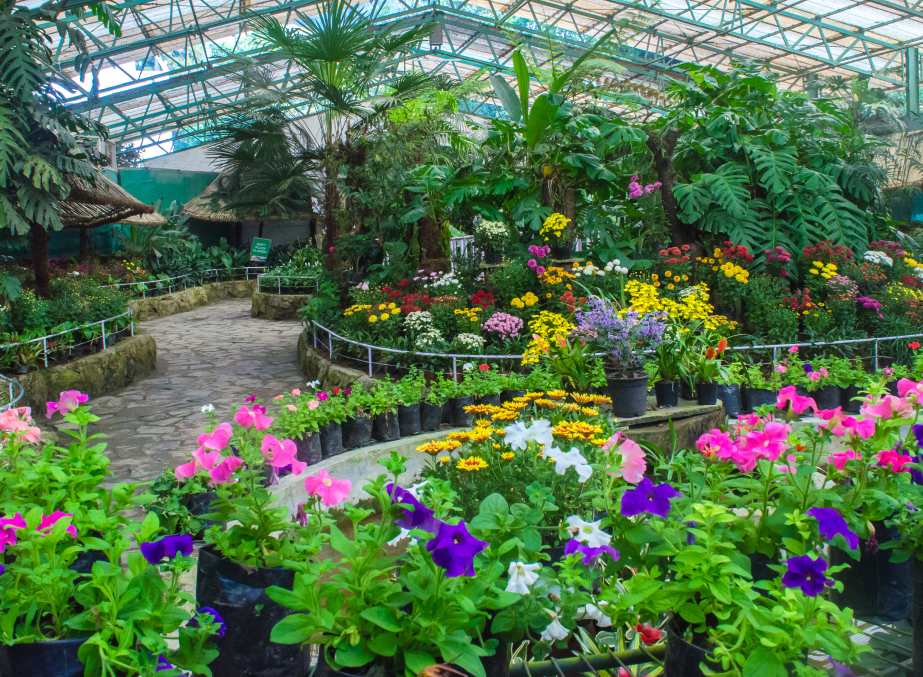
The Flower Exhibition Centre near the Ridge, about 2 km from MG Marg, is a greenhouse showcase of Sikkim’s orchids and seasonal blooms, and it is at its best during the spring flower show. It is an easy, low-effort stop close to the market, ideal if the weather turns and you want something indoors.
Quick facts: Timings roughly 9:00 am to 5:00 pm. Entry a nominal ticketed fee, confirm the current amount at the gate. Distance approx 2 km (Ridge Park). Best time March to May for the orchid show.
Tips: Combine with a walk on the Ridge and White Hall. Best colour is in spring.
Facts: Sikkim is home to hundreds of orchid species, and this centre puts the pick of them under one roof.
Main highlights: The spring orchid display and the ease of reaching it from MG Marg.
Sikkim Best Sellers
-
03 Nights / 04Days
Gangtok Tour
Rs. 7500 Rs. 6200
-
07 Nights / 08Days
Gangtok Pelling Darjeeling Tour
Rs. 14500 Rs. 17500
-
04 Nights / 05Days
Gangtok Darjeeling Tour Package
Rs. 9200 Rs. 1100
-
08 Nights / 09Days
Gangtok Lachung Pelling Tour
Rs. 15000 Rs. 18000
-
04 Nights / 05Days
Gangtok Lachung Tour
Rs. 8800 Rs. 10500
-
08 Nights / 09Days
Gangtok Lachung Pelling Darjeeling Tour
Rs. 17000 Rs. 20500
-
07 Nights / 08Days
Gangtok Pelling Darjeeling Tour
Rs. 14500 Rs. 17500
-
04 Nights / 05Days
Gangtok Darjeeling Tour Package
Rs. 9200 Rs. 11000
-
05 Nights / 06Days
Delightful Gangtok And Darjeeling
Rs. 10500 Rs. 12500
Fambong La Wildlife Sanctuary
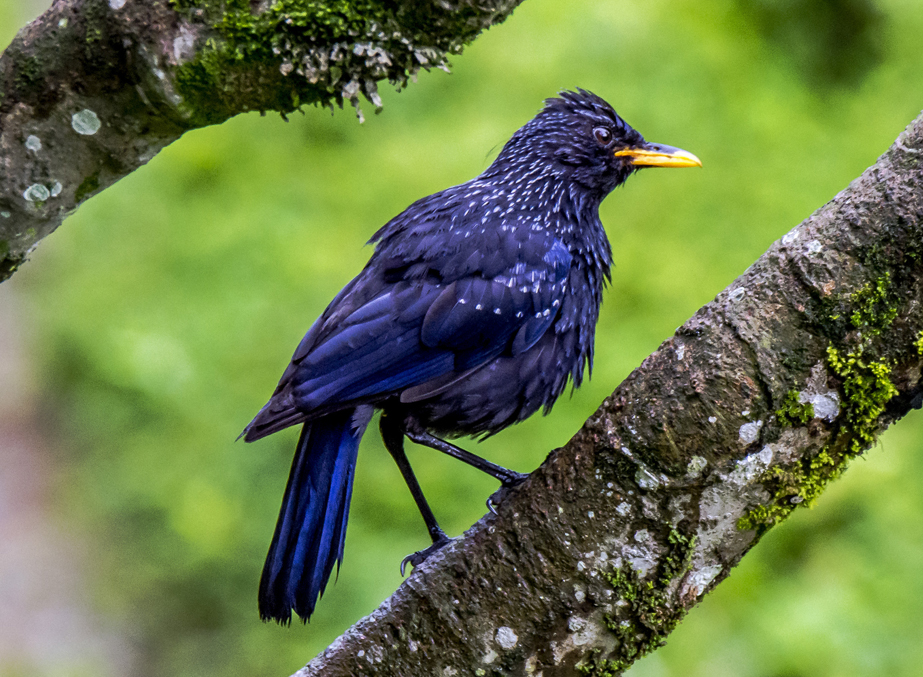
Fambong La Wildlife Sanctuary is a forest reserve about 25 km from Gangtok, home to red pandas, Himalayan black bears and dense rhododendron and bamboo cover. A watchtower inside gives long views over the surrounding hills, and it is a quiet half-day for anyone who likes walking in the woods.
Quick facts: Entry a nominal fee (confirm at the gate). Distance approx 25 km. Best time March to late May and September to mid-December.
Tips: Wear proper shoes and carry water. Wildlife sightings need patience and an early start.
Facts: The sanctuary shelters Himalayan black bear, red panda, civet cat and orchids, among oak and bamboo.
Main highlights: The wooden watchtower view and the untouched forest.
Suggested Read: Wildlife in Sikkim
Markets and Local Life in Gangtok
MG Marg
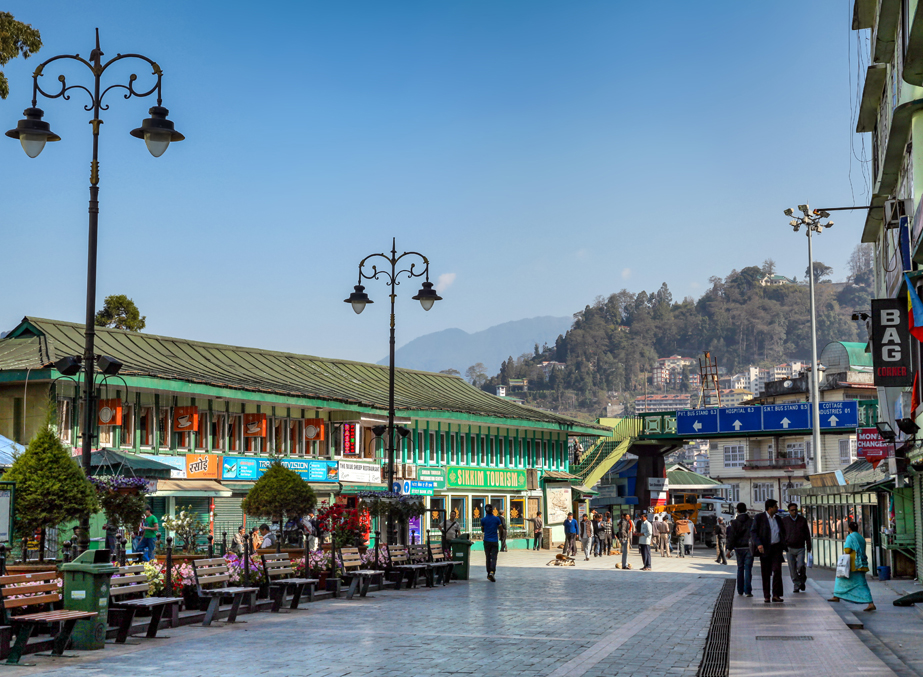
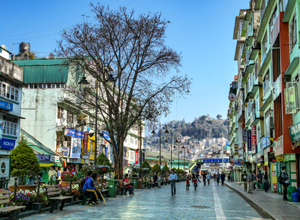
MG Marg is Gangtok’s pedestrian-only high street, a clean, smoke-free, roughly 1 km stretch of cafes, bakeries, bars and handicraft shops, and it is the social centre of the city. No vehicles, no litter, benches down the middle, and the Mahatma Gandhi statue at one end. Evenings here are the best free thing to do in Gangtok.
Quick facts: Open all day, though shops usually close on Tuesdays (the weekly market holiday). Entry free. Location city centre. Best time evenings, and December for the food festival.
Tips: Carry some cash, as smaller shops may not take cards. It is the easiest base to stay near, since much of the city is walkable from here.
Facts: MG Marg is a no-vehicle, no-smoking zone lined with restaurants and shops on both sides.
Main highlights: The evening stroll, Tibetan and Sikkimese food, and the annual Gangtok Food and Culture Festival in December.
Lal Bazaar
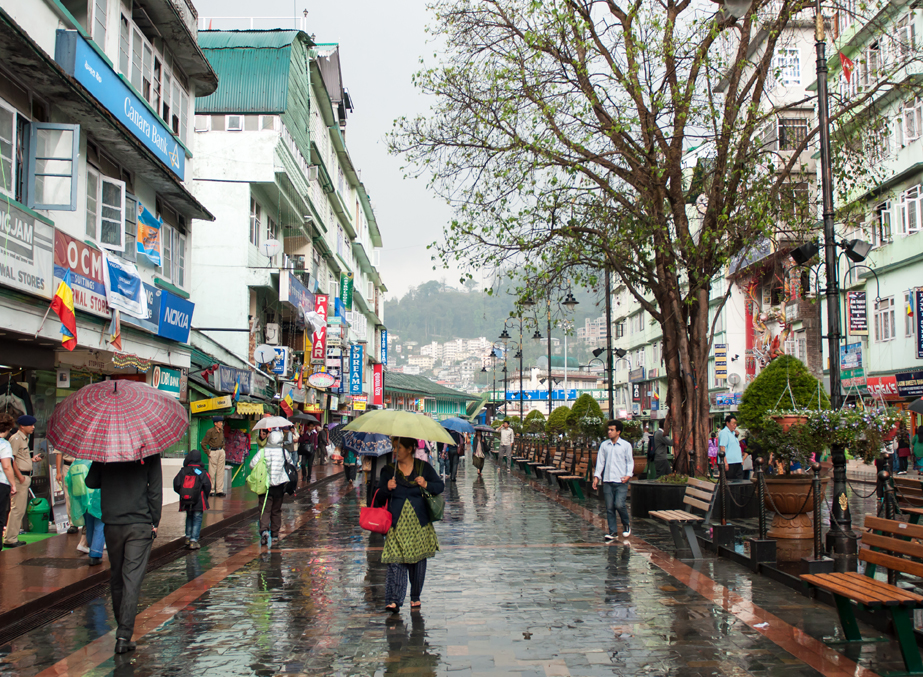
Lal Bazaar is Gangtok’s main local market, a few minutes from MG Marg, where Sikkimese villagers bring fresh produce, cheese (churpi), ferns, bamboo shoots and dried fish, and it is the most honest slice of everyday life in the city. It is busiest and most colourful on Sundays.
Quick facts: Open daytime, busiest on Sundays. Entry free. Location city centre. Best time Sunday mornings.
Tips: Go for the atmosphere and local ingredients rather than souvenirs. The multi-storey Kanchenjunga (Lal Bazaar) complex houses much of it.
Main highlights: Fresh local produce, churpi cheese and a genuine market buzz.
Day Trips from Gangtok (Outside the City)
These three sit on one route east of Gangtok and are almost always done together as a single full-day trip. All three need a Protected Area Permit, arranged the day before through a registered Sikkim travel agent, and you will need photo ID and passport photos. Nathula is open to Indian nationals only.
Tsomgo (Changu) Lake
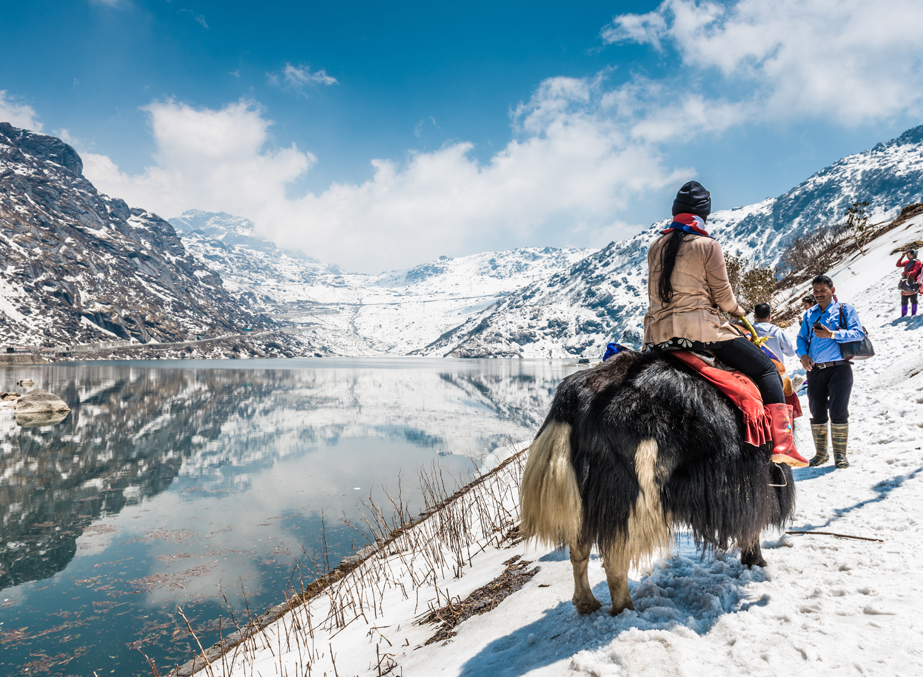
Tsomgo Lake, also called Changu Lake, is a glacial lake at about 3,753 metres, roughly 40 km from Gangtok, that freezes in winter and mirrors the surrounding peaks the rest of the year. Yak rides on the shore, hot maggi at the stalls and the changing colour of the water are the draws. It is the first stop on the Nathula route.
Quick facts: Distance approx 40 km, about 2 hours. Altitude approx 3,753 m. Permit required (Protected Area Permit). Best time March to May for flowers, December to January for ice.
Tips: Start early, the road can close after snow. There is no overnight stay at the lake. Acclimatise, as the altitude is real.
Facts: It is one of the highest lakes in India and is considered sacred by locals, who read the season from the colour of its water.
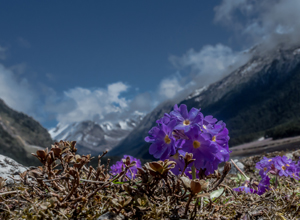
Main highlights: The frozen surface in winter, yak rides, and Primula flowers in spring.
Suggested Read: Lakes in Sikkim
Baba Mandir
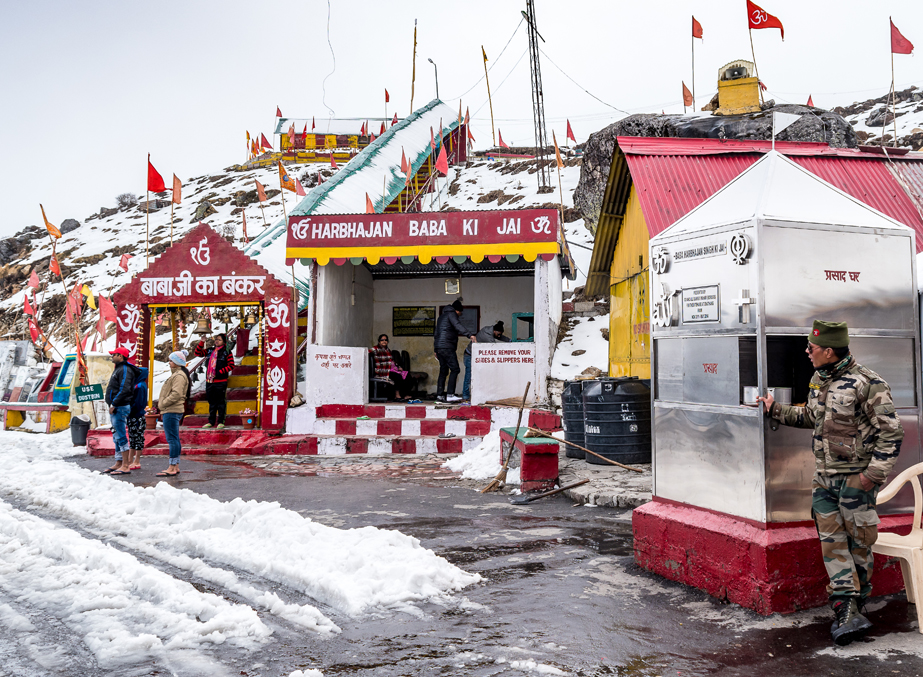
Baba Mandir is a shrine to Baba Harbhajan Singh, an Indian Army soldier believed by soldiers to still guard the border, sitting at about 4,000 metres between Tsomgo Lake and Nathula. It is both a pilgrimage stop and a moving piece of Army folklore, and it is the second stop on the day-trip route.
Quick facts: Distance approx 52 km. Altitude approx 4,000 m. Permit required. Best time the same window as Nathula, avoiding heavy snow months if you have breathing trouble.
Tips: The altitude is high and oxygen is thin, so go slow. Carry water and any motion-sickness or altitude medication you may need.
Facts: The original bunker shrine honours Baba Harbhajan Singh of the Punjab Regiment, who went missing in 1968.
Main highlights: The Army story, the high-altitude setting and the mountain views.
Nathula Pass
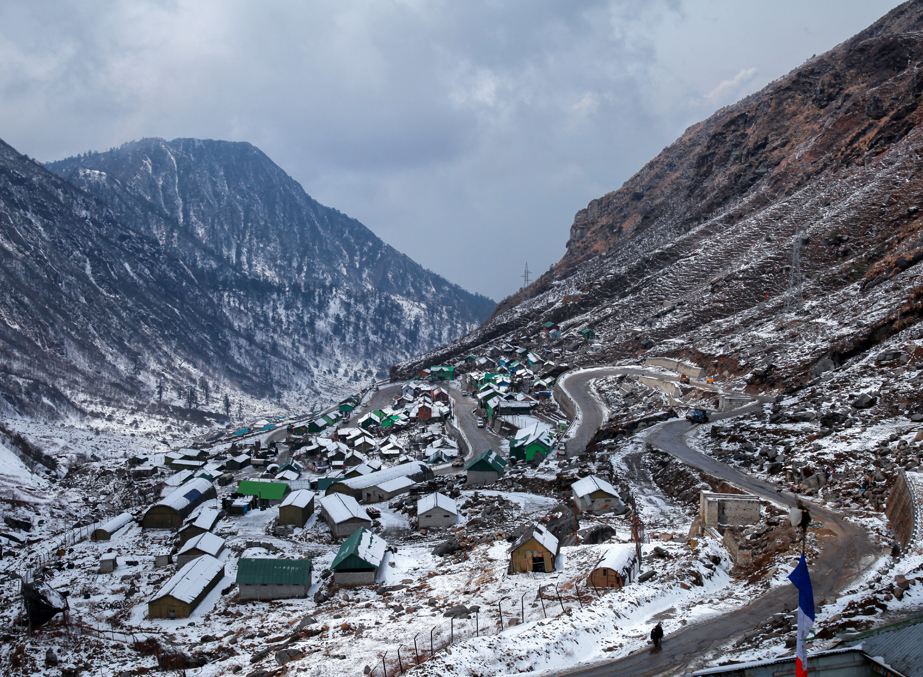
Nathula Pass is a 4,310-metre mountain pass on the old Silk Route, about 56 km from Gangtok, that today marks the India-China border and is one of the highest motorable points open to civilians in Sikkim. Standing at the fenced border with troops on both sides is the experience, along with the drive up through snow walls in season.
Quick facts: Distance approx 56 km, about 3 hours. Altitude approx 4,310 m. Open Wednesday to Sunday (closed Mondays and Tuesdays). Open to Indian nationals only. Permit required, arranged a day ahead through a registered agent. Best time April to June and October to mid-December.
Tips: The road is winding, so carry motion-sickness tablets. Weather and Army orders can close the pass at short notice, so keep the day flexible. Warm layers are essential even in summer.
Facts: Nathula was a key trading gate on the Silk Route and reopened for limited border trade in 2006. Foreign nationals are not permitted.
Main highlights: The border fence, the Silk Route history and the snow-walled drive.
Suggested Read: Other Attractions in Sikkim
A Day Trip from Gangtok: Mangan
Mangan is the headquarters of North Sikkim, about 65 km north of Gangtok (a 2.5 to 3 hour drive each way), and it works better as a gateway on the way to Lachung and Lachen than as a quick in-and-out. It is officially recognised as the “Large Cardamom Capital of the World,” and it hosts a well-known music festival each December.
Because the drive is long on hill roads, treat Mangan as a full day at minimum, and ideally as the first leg of a North Sikkim trip with an overnight further up. From Gangtok you can hire a private taxi or shared jeep. On the way you pass Kabi Lungchok, the site of the historic treaty between the Lepchas and Bhutias, and Phodong Monastery.
Quick facts: Distance approx 65 km, 2.5 to 3 hours each way. Best time: March to May and October to December. Note: parts of North Sikkim beyond Mangan need a separate permit.
Tips: Do not try to combine Mangan with the Nathula circuit on the same day, they are in opposite directions. Try the local Sikkimese food and, if December suits, time it with the Mangan Music Festival.
Main highlights: The cardamom country, the North Sikkim scenery and the music festival.
In Gangtok vs Outside Gangtok: What Is Where
A common mix-up: some of the biggest names near Gangtok are not actually in the city. Here is the split so you can plan permits and driving time.
| Inside Gangtok (no special permit) | Outside Gangtok (day trips) |
|---|---|
| MG Marg (city centre) | Rumtek Monastery (approx 24 km) |
| Enchey Monastery (approx 3 km) | Fambong La Wildlife Sanctuary (approx 25 km) |
| Namgyal Institute of Tibetology (approx 3 km) | Phodong Monastery (approx 38 km) |
| Do Drul Chorten (approx 3 km) | Tsomgo Lake (approx 40 km, permit) |
| Gangtok Ropeway (approx 2 km) | Baba Mandir (approx 52 km, permit) |
| Himalayan Zoological Park (approx 3 km) | Nathula Pass (approx 56 km, permit) |
| Ganesh Tok and Hanuman Tok (approx 7 to 9 km) | Mangan (approx 65 km) |
| Tashi View Point (approx 8 km) | |
| Ban Jhakri Falls (approx 7 km) | |
| Flower Exhibition Centre (approx 2 km) | |
| Lal Bazaar (city centre) |
How to Plan Your Places to Visit in Gangtok
Best time to visit Gangtok
October to December gives the clearest skies and the sharpest Kanchenjunga views, March to May brings flowers and pleasant days, and mid-December to February is the cold, quiet season with a chance of snow at higher points like Tsomgo and Nathula. The monsoon from mid-June to September can trigger landslides and block the high roads, so it is the season to be flexible.
How many days do you need in Gangtok
Two days covers the city loop and one day trip, three days is comfortable, and four days lets you add Rumtek or a run towards North Sikkim without rushing. Most travellers find two to three days about right for Gangtok itself.
Free places to visit in Gangtok
The best free experiences are MG Marg in the evening, Enchey Monastery, Do Drul Chorten, Tashi View Point, Ganesh Tok, Hanuman Tok and the buzz of Lal Bazaar. You can fill an entire day in Gangtok without an entry ticket.
Places to visit in Gangtok for couples
Couples tend to like the Ropeway for the views, sunrise at Tashi View Point, quiet time at Rumtek Monastery, and the cafes along MG Marg in the evening. The Tsomgo Lake day trip adds a snow-and-yak day that photographs beautifully.
Places to visit in Gangtok with family and kids
Families do well with the Himalayan Zoological Park for the red pandas, Ban Jhakri Falls for the themed park, the Ropeway for the easy thrill, and the Flower Exhibition Centre as a low-effort indoor stop. All four are close to the city and light on walking.
Why Plan Your Gangtok Trip with eSikkim Tourism
Gangtok looks simple on a map, but the details trip people up: Nathula shuts on Mondays and Tuesdays, Tsomgo and Nathula need a Protected Area Permit arranged a day in advance through a registered Sikkim agent, foreign nationals cannot go to Nathula at all, and the monsoon can close the high roads without warning. Getting the sequence right, the city loop on one day, the permit circuit on another, is what makes or breaks a short trip.
Planning your Gangtok trip around these layers, the permit-bound day trips, the walkable city sights and the weather windows, is in our view the most rewarding way to see the city. At eSikkim Tourism, our travel experts can build a customized Gangtok and Sikkim itinerary around exactly this kind of thinking: your travel dates, your interests, and the right balance of monasteries, viewpoints and high-altitude drives, with permits handled for you. If you would like a personalised plan, get in touch and we will put one together for you.


Subscribe to us
Subscribe to our newsletter and stay updated

Request a call back
Our experts would love to create a package just for you!


Frequently Asked Questions
Tashi View Point is the classic choice for a sunrise view of Kanchenjunga, with Ganesh Tok and Hanuman Tok close behind. All three are within about 9 km of the city and are best visited early on a clear October to December morning.
October to December for clear Kanchenjunga views, and March to May for flowers and mild weather. Mid-December to February is cold with a chance of snow up high, while the mid-June to September monsoon can block roads and is best avoided if you can.
Two to three days is enough for Gangtok. Two days covers the walkable city sights plus one permit day trip to Tsomgo and Nathula, and a third day lets you add Rumtek Monastery or start a run towards North Sikkim.
No. Nathula Pass is open Wednesday to Sunday and stays closed on Mondays and Tuesdays, and it can also shut at short notice due to snow, weather or Army orders. Keep the day flexible and confirm the status before you leave Gangtok.
You do not need a permit for Gangtok city or nearby sights like MG Marg, Enchey or Rumtek. You do need a Protected Area Permit for Tsomgo Lake, Baba Mandir and Nathula Pass, arranged a day ahead through a registered Sikkim travel agent with your photo ID and passport photos. Nathula is open to Indian nationals only.
MG Marg’s shops usually close on Tuesdays, the market’s weekly holiday, though the street itself stays open to walk. Plan your shopping and cafe time around it. Separately, the Himalayan Zoological Park is closed on Thursdays, and the Namgyal Institute of Tibetology is closed on Sundays and the second Saturday of each month.
MG Marg, Enchey Monastery, Do Drul Chorten, Tashi View Point, Ganesh Tok, Hanuman Tok and Lal Bazaar are all free. You only pay small fees at the Ropeway, the Himalayan Zoological Park, Ban Jhakri Falls, the Flower Exhibition Centre and the Namgyal Institute of Tibetology.
No. Rumtek Monastery is about 24 km from Gangtok, roughly a 1 to 1.5 hour drive across the valley, so it is a half-day trip rather than a city stop. It is worth the drive for the golden stupa and the Kagyu shrine.
People also Read Sikkim
People also Read North East
People also Read Bhutan
- Share
With -


Sikkim Travel Information at a Glance
Find the authentic information on how to plan a hassle free tour to Sikkim. Travalghar puts together for you relevant details on how to reach Sikkim along with information on different means of transportation and the best time to visit. Also explore the different attractions and destinations in Sikkim with the help of our map, made easy for you to navigate.
- About sikkim
- Sikkim Darjeeling Tour Packages
- Visiting Sikkim in Winters
- South Sikkim
- Sikkim Tourism Destinations
- How to Reach Sikkim
- Visiting Sikkim in Summers
- West Sikkim
- Sikkim Tourist Attractions
- Sikkim Travel by Road
- Visiting Sikkim in Monsoon
- East Sikkim
- Best Things to Do in Sikkim
- Sikkim Travel by Train
- Darjeeling Gangtok Tour Packages
- North Sikkim
- Best Time to Visit Sikkim
- Sikkim Travel by Air
- Entry Formalities to Sikkim
- Trekking in Sikkim
- Honeymoon in Sikkim
- Sikkim Tourism Map
- Restricted Area Permit
- Hill stations in Sikkim
- Gangtok Tour Packages
- Sikkim Tour Packages
- Places to visit in Sikkim
- Do's and Dont's